How to Build Capacity for Grant Management in Tribal and Municipal Organizations
Building capacity for effective grant management is crucial for tribal and municipal organizations aiming to enhance their funding capabilities. With a tailored approach, these organizations can strengthen their grant management systems and maximize the impact of their funding efforts.
Understanding the Importance of Capacity Building
Capacity building refers to the processes and activities aimed at developing skills, knowledge, and resources within an organization. For tribal and municipal organizations, effective grant management requires a deep understanding of the funding landscape as well as the ability to navigate complex requirements.
According to a report by the National Council of Nonprofits, organizations with strong grant management systems are not only better positioned to secure funding, but they also ensure that funds are used efficiently and correctly. This is particularly important for communities that rely on these grants to address pressing issues like healthcare, education, and infrastructure.

Identifying Key Areas for Improvement
To effectively build capacity in grant management, organizations must first identify specific areas that require improvement. This could be anything from skills development among staff to the implementation of new technologies. Here are some key areas to focus on:
Staff Training: Creating a knowledgeable team is essential. Regular training sessions can help staff understand the intricacies of grant management, including compliance and reporting requirements.
Resource Allocation: Proper allocation of resources including time, money, and personnel can directly influence the success of grant management efforts.
Technology Integration: Utilizing the right software and tools can streamline the grant application and management processes. This includes project management tools that offer tracking features and reporting options.
Communication: Open lines of communication between departments can facilitate collaboration and ensure everyone is on the same page regarding funding goals.
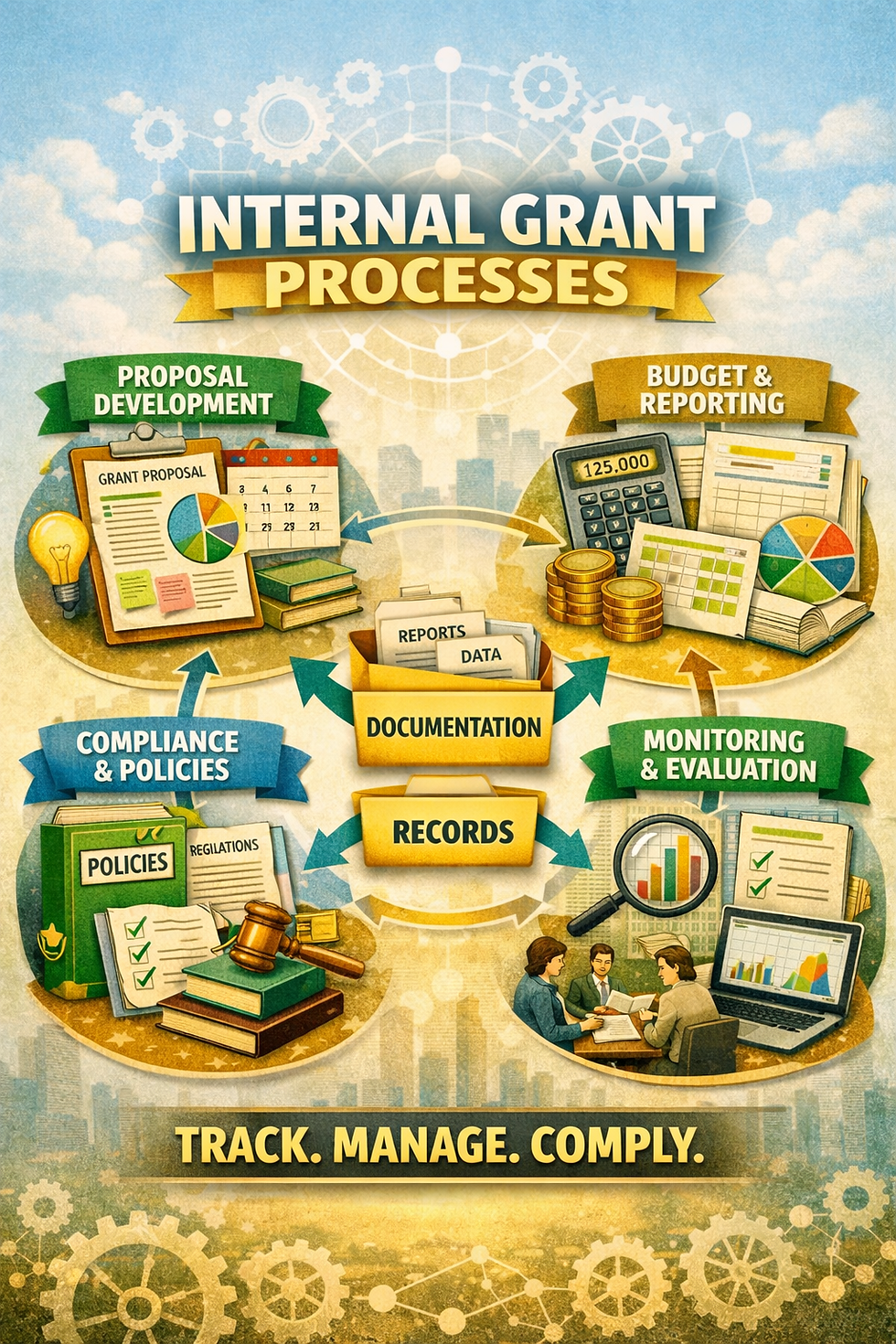
Establishing Effective Processes
Once improvement areas have been identified, the next step is to establish effective processes. These processes will serve as a foundation for efficient grant management, ensuring that everyone involved understands their roles and responsibilities.
Creating Standard Operating Procedures
Documenting standard operating procedures (SOPs) can be a game changer. SOPs provide clear guidelines on how to manage grants effectively. This can include everything from the application process to reporting requirements.
Application Process: Outline every step involved in applying for a grant, including deadlines and necessary documentation.
Monitoring and Evaluation: Develop metrics and guidelines for evaluating the success of grant-funded programs. This ensures that organizations can report accurately to funders.
Funding Allocation: Create a model for allocating funds, whether it's for specific projects or general operational expenses.
Having clear SOPs will not only improve accountability but will also reduce the learning curve for new staff.
Leveraging Community Resources
Tribal and municipal organizations can benefit greatly from leveraging community resources. Collaboration is key in building capacity, as partnerships with other organizations or local government bodies often lead to innovative solutions.
Engaging with Local NGOs
Building relationships with local non-governmental organizations (NGOs) can enhance a community's capacity for grant management. These organizations often have experience navigating grant processes and can offer support or training.
Shared Training Initiatives: Consider organizing joint training sessions or workshops with local NGOs.
Resource Sharing: Pooling resources for joint grant applications can also be an effective strategy.
Collective Problem Solving: Engaging in community forums can help surface challenges faced in grant management and lead to collaborative solutions.

Utilizing Data for Better Decision Making
Data plays an essential role in grant management. Organizations need to collect and analyze data to make informed decisions regarding funding, project implementation, and reporting.
Establishing a Data Management System
Creating a robust data management system allows organizations to track their progress and demonstrate impact to funders. This includes:
Collecting Baseline Data: Understand the current state before any funding is acquired.
Using Tracking Tools: Implement software that can track metrics relevant to funding outcomes. This helps in making data-driven decisions.
Evaluating Outcomes: Regularly assess the data to understand what's working and what isn't. This will enable organizations to adapt their strategies accordingly.
Having a well-established data management system not only increases transparency but also builds trust with funders.
The Role of Continuous Learning
Capacity building in grant management is an ongoing process. It’s essential that organizations commit to continuous learning and improvement.
Seeking Feedback and Implementing Changes
Regular feedback from staff, stakeholders, and funders can be invaluable. Implement systems to gather feedback on grant processes and make improvements accordingly. This could involve:
Surveys: Regularly survey staff about barriers they face in grant management.
Focus Groups: Conduct focus groups with stakeholders to identify areas for change.
Outcome Assessments: Evaluate the outcomes of funded projects and use the insights to inform future grant applications.
Encouraging a culture of continuous improvement will ensure that organizations remain adaptable and effective in their grant management efforts.
Final Thoughts on Capacity Building
Building capacity for grant management in tribal and municipal organizations is a multifaceted process. By focusing on training, establishing effective processes, leveraging community resources, utilizing data, and committing to continuous learning, organizations can significantly enhance their capacity for securing and managing grants.
Ultimately, well-managed grants have the potential to transform communities, providing resources to tackle pressing issues and improve the quality of life for constituents. Prioritizing capacity building in grant management will lay a strong foundation for future success.
In pursuing these strategies, tribal and municipal organizations can ensure they are better equipped to navigate the complexities of grant management and maximize the impact of their funding partnerships.


Comments